
Righteous Clothing Sizing Guide Explained: Steering Clear of Frequent Fit Slip-Ups
Because you can’t try garments on first, it’s the single biggest reason for sending items back in the fashion business. Righteous clothing has built a following on bold graphics and city-inspired forms, but even the sharpest design comes up short if the fit is wrong. Learning how Righteous garments are cut, where they run loose, and where they run close to the body, will cut down on time, money, and the hassle of a return shipment. What follows here walks through the real-world details of sizing so your next order arrives ready to wear, not ready to send back.
Steady, predictable fit is part of why the Righteous name has become such a recognizable presence in street-style circles. Those who take time to learn the brand’s approach to fit tend to report fewer sizing issues than those who guess based on a single different label’s measurements. Seeing as no two brands size quite the same, treating every transaction as its own decision, rather than assuming a fixed sizing baseline, is the wisest approach.
Why Sizing Mistakes Happen So Often
Nearly all fit problems come down to one thing: shoppers apply their size from a completely different brand to a new one without checking the true specs. A medium in one label can vary by two or three inches in chest width from a medium at another brand. That gap is enough to convert a laid-back urban cut into either a sloppy loose result or an overly snug squeeze across the shoulders.
Ignoring the gap between body measurements and garment measurements is another common error. Body measurements describe you; garment measurements describe the piece in question, including built-in allowance added in for style. A hoodie intended to achieve an oversized, dropped-shoulder look will always measure more generous than your real chest dimension, and that is by design, not a mistake in faith based tee the chart.
Post-wash shrinkage is a third factor shoppers overlook. Pieces made mostly of cotton, including many Righteous hoodie styles, can give up a small percentage of their size in the first few washes if not cared for properly. Reading the care label before the first wash and adhering to it closely reduces this risk considerably. Cool washes paired with low-heat drying preserve fit far better than hot-water settings.
The Right Way to Take Your Own Measurements
There are three essential numbers that count above all before ordering anything: chest, waist, and your preferred length. Loop a non-rigid tape measure around the widest point of your chest, holding it even and snug but not tight. Repeat the process around your waist area, generally slightly above your navel. Note your preferred garment length by measuring a hoodie or shirt you currently have and fits you well, starting at the shoulder seam and ending at the hem.
Write these three numbers down before looking through the Righteous clothing brand’s product pages. Keeping them on hand guards against impulse sizing decisions based on assumptions or by what “feels right” based on nothing but memory. Memory can trick you, but a tape measure won’t.
It’s worth taking the time to measure a garment you currently have that fits the way you want a new piece to fit, laid flat, and cross-reference that measurement taken flat to the product’s listed dimensions. This flat-measuring approach is more accurate than depending on standard S/M/L labels, since generic sizing categories change with cut and season, particularly since Righteous apparel updates its silhouettes each year.
Making Sense of the Righteous Size Chart
A size chart generally displays measurements in inches or cm across a lateral row of sizes, with chest, waist, and at times hip and length measurements underneath. The crucial step is matching your body measurement to the right row, not the nearest labeled size. When your measurement lands between two size options, choosing the bigger size is most often the more dependable option for streetwear pieces designed with a looser fit in mind, while opting for the smaller size serves anyone chasing a leaner, more tailored silhouette.
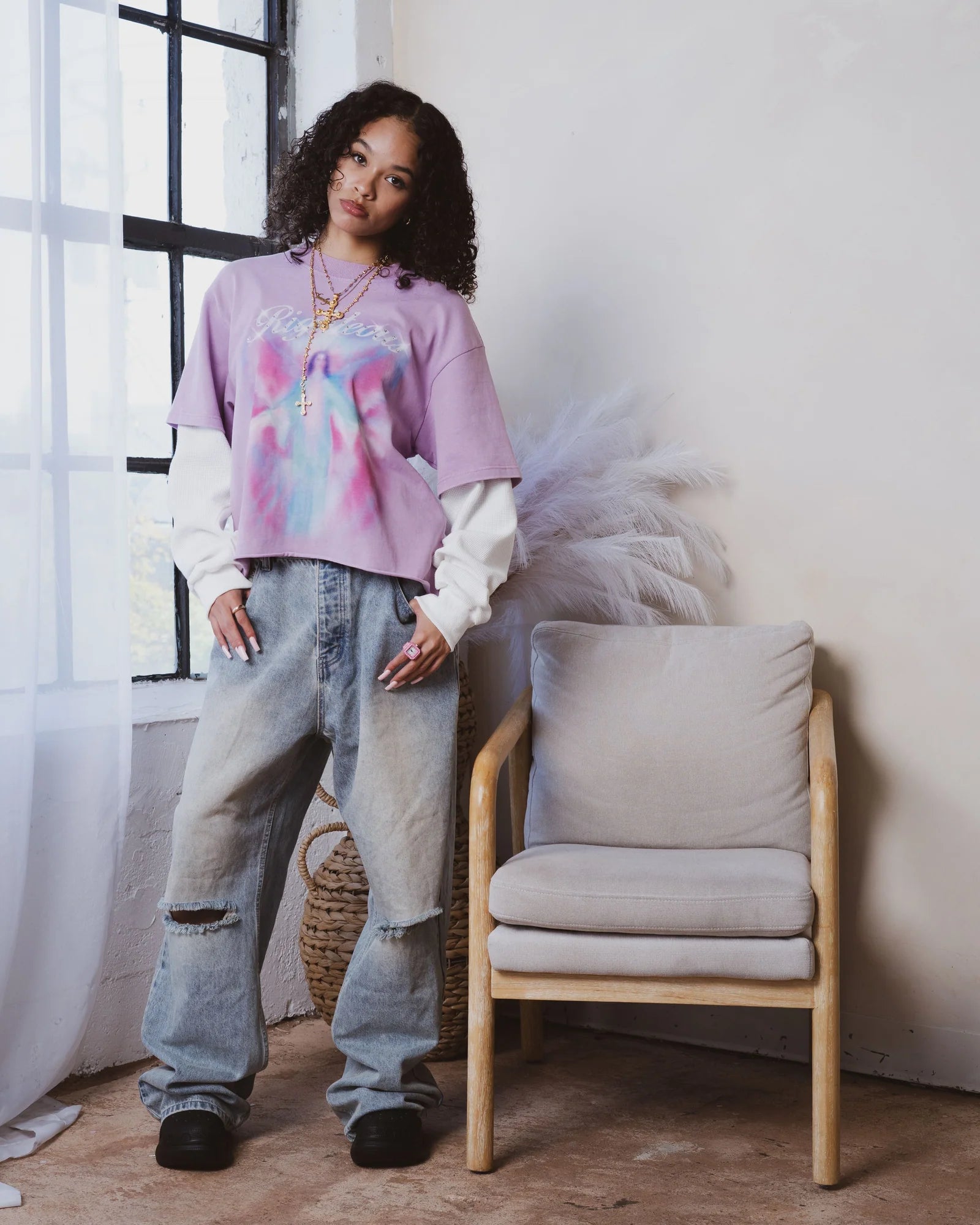
Pay close attention to the unit system. Confusing centimeters for inches is a regular but needless error that causes garments arriving nowhere near the right fit. Verify the unit indicator at the top of the chart each time, even if this isn’t your first Righteous order, since specs can be updated between collections.
What follows is a general comparison of how a relaxed streetwear fit usually contrasts with a slim or standard fit across chest measurements, to illustrate why silhouette choice matters every bit as much as size letter.
| Labeled Size | Tailored Fit Chest (inches) | Loose/Oversized Chest Measurement (inches) | Ideal Body Chest Measurement (inches) |
|---|---|---|---|
| Small | 36-38 | 40-42 | 34-36 |
| Medium | 39-41 | 43-45 | 37-39 |
| Large | 42-44 | 46-48 | 40-42 |
| XL | 45-47 | 49-51 | 43-45 |
This comparison serves as a broad example of how silhouette alters the numbers tied to the same size label, not a replacement for the precise figures provided on each product page. Be sure to check the particular size chart paired with the item you want, since a Righteous hoodie and a slim-cut tee will not share identical proportions even in the same labeled size.
Understanding Fit Variation Among Hoodies, Tees, and Bottoms
A hoodie from Righteous is commonly constructed with extra room through the torso and arms to attain that quintessential urban silhouette, so choosing your typical tee size in a hoodie style can yield a fit that feels surprisingly boxy. For those who like a closer silhouette, measuring the garment’s chest measurement against your own—rather than assuming your regular letter size—helps sidestep an unwelcome surprise.
T-shirts perform differently. As they contain a smaller amount of fabric, and are often worn beneath outerwear or layers, a closer fit is more typical in tee sizing charts relative to hoodie sizing guides. A person sized large in a Righteous hoodie could easily land in a medium for one of the brand’s tee styles, depending on the intended degree of oversized fit.
Pants and shorts contribute a third variable: waist versus hip measurement, plus inseam length. Righteous apparel bottoms, like joggers or shorts, often list both waist and hip figures because a fit that’s correct at the waist can still feel tight or loose at the hip depending on your body shape. Comparing both numbers, not just the waist, avoids an unwelcome surprise.
What Righteous Feedback Tells You About Sizing
Shopper reviews is among the most valuable resources when a formal chart alone can’t resolve your specific question. A thorough Righteous review will frequently point out if a piece fits true, runs slightly large, or comes up small, adding real-world insight alongside the stated measurements. Repeated observations across many reviews are more reliable than a single reviewer’s take, since body types and personal fit preferences differ from person to person.
As you skim a We Are Righteous review, look for any reference to the reviewer’s usual size at other brands and how it stacked up against the Righteous piece. A reviewer who says “I’m usually a medium everywhere and this fit true” provides a useful data point, particularly when several other reviewers back up the same conclusion.
It’s also important to consider reviewer height and weight when reviewers include them, since these add nuance that a static measurement chart isn’t able to. Reviews often capture subtleties a static chart misses, such as two people sharing a chest measurement but preferring different hoodie lengths due to height differences.
Key Fit Mistakes Shoppers Should Avoid in 2026
The single biggest mistake remains passing over the chart entirely and buying on a hunch. Even seasoned We Are Righteous shoppers should look over the newest charts each season, since fit tweaks between drops are common. A size that fit perfectly a year back could shift somewhat as pattern blocks get updated.
Another mistake is neglecting piece length rather than only verifying width. A hoodie might feature the right chest measurement but a surprisingly long or short body length, which affects how it falls when styled with various bottoms. Checking the length number with a piece you already own is a quick, five-minute step that saves you from considerable regret.
Last but not least, don’t ignore the return and exchange policy before you buy, and use it as a safety net rather than avoiding a purchase for fear of getting it wrong. Despite careful measuring, sporadic mismatches occur, and knowing you have that option eliminates unnecessary pressure from every order.
Applying these habits, measuring carefully, reading the specific chart for each item, and cross-referencing real customer feedback, turns a potentially frustrating guessing game into a simple decision. Righteous clothing rewards this modest bit of upfront effort with garments that fit as they were meant to, season after season.